
Windows streaming again, towels hanging off the radiator, the room warm yet oddly chilly. That winter dance between damp glass and rising bills doesn’t feel inevitable this year. A small, crinkly £5 fix is quietly changing the script in British homes.
In one upstairs bay, a dad swiped the glass with a T‑shirt, muttering about the boiler; next door, a hairdryer hummed at a sheet of clear film, softening and tightening over a sash like a drum. The air felt different in there — less sharp, less clammy — and you could hear the quiet in the room.
The energy monitor on the sideboard ticked down a notch, ever so slightly. The warmest thing in the room wasn’t the radiator.
The £5 fix hiding in plain sight
Ask a building surveyor what makes a room feel cold and they’ll point at the glass. Single panes radiate heat away, double panes can still chill your cheeks in a snap freeze, and both attract condensation when warm, humid air hits that cold surface.
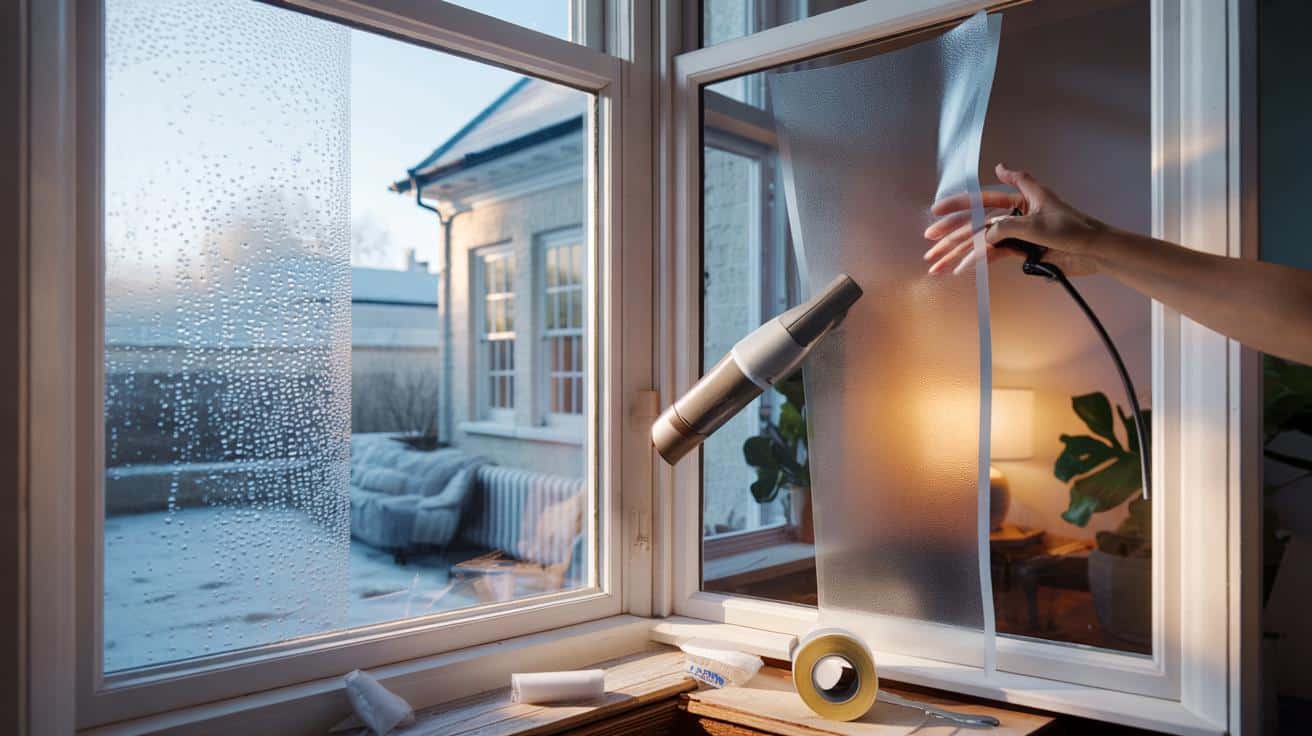
Experts say this £5 film is the fastest way to stop window drip without cranking the heating. The stuff looks like nothing — a clear, lightweight window insulation film with a roll of double‑sided tape — but it creates a still air pocket inside the frame, warming up the inner surface and keeping moisture at bay.
We’ve all had that moment when you peel back the curtains and the sill’s a paddling pool. A small pack of insulation film, sold in DIY shops and online, costs about a fiver per average window and takes minutes to fit. The effect is immediate: fewer streaks, less draught, a room that holds onto heat like a decent jumper.
Real homes, real gains
On a bitter Tuesday in Leeds, Anna tried the film on her north‑facing box room, the one her teenager swears is “the Arctic.” She taped the inside edge of the old sash, smoothed the film, then warmed it with a hairdryer until the ripples snapped out. Next morning, the glass was clear, and the radiator clicked off sooner than usual.
Down in Portsmouth, a retired couple fitted three bays for under £20 and noticed the bathroom mirror fogging less because the house wasn’t bleeding heat through the front windows anymore. Let’s be honest: nobody does that every day. But once fitted, the film sits quietly all season, acting like temporary secondary glazing you can peel off in spring.
The result is a warmer room and a pane that stays clear in the morning. It’s not magic double glazing. It’s a thin barrier that raises the temperature of the inside surface just enough to stop moisture condensing and to soften that icy “radiant chill” you feel on your skin.
Why it works — the simple science
Condensation appears when humid indoor air touches a cold surface and drops water at the dew point. Put a thin cushion of still air in front of that surface, and the glass is no longer the first cold thing your breath meets.
Insulation film turns your window into a sandwich: room air, film, trapped air layer, glass. That trapped layer changes the heat flow and lifts the temperature of the inner face, meaning less moisture condenses and less heat is lost to the night. It feels like a magic trick, but it’s just physics.
This pocket of air also dampens those sneaky micro‑draughts that make curtains sway. You won’t transform a draughty bay into a thermal fortress, yet you will keep more warmth where you live — around the sofa, the desk, the cot — and you’ll see fewer rainy streaks at dawn.
How to fit window insulation film in 10 minutes
Start with dry, clean frames. Wipe down, let them air for a few minutes, then run the double‑sided tape along the inner face of the frame. Offer up the film with a slight overlap, press it onto the tape, and smooth gently with your hands to seat it.
Now the bit everyone secretly enjoys: turn a hairdryer to medium and sweep across the film, six to eight inches away. The wrinkles shrink out, the membrane tightens, and the whole thing becomes glass‑clear. Trim the edges with a sharp blade for a neat finish. It costs about a fiver per window and takes ten minutes to fit.
If you’re thinking “I’ll mess this up,” you won’t. The film is forgiving, and most kits include enough to redo a corner.
“People assume condensation means they need a big dehumidifier,” says Sarah Kemp, an independent energy assessor. “Film often stops the drip at the source by warming the surface, so homes feel drier without the whirr and the running costs.”
- Pick a dry day so the tape bonds fully.
- Leave trickle vents open and fans running in kitchens and bathrooms.
- Don’t stretch the film before shrinking — let the heat do the work.
- Label windows you’ll need to open often and skip those, or film the fixed panes only.
- Keep a small gap behind big furniture on outside walls to avoid trapped moisture.
Mistakes to dodge and small tweaks that multiply the gain
The biggest error is sealing a wet frame. Any moisture trapped will sit and sulk on cold nights. Let frames dry, and run the hairdryer briefly along the tape line to help it bite, especially on older paint.
Skipping ventilation is another. You still want fresh air. Keep bathroom and kitchen extractors on during and after steamy chores, and crack a window for ten minutes after showers or cooking. Your air will feel lighter and your windows will thank you for it.
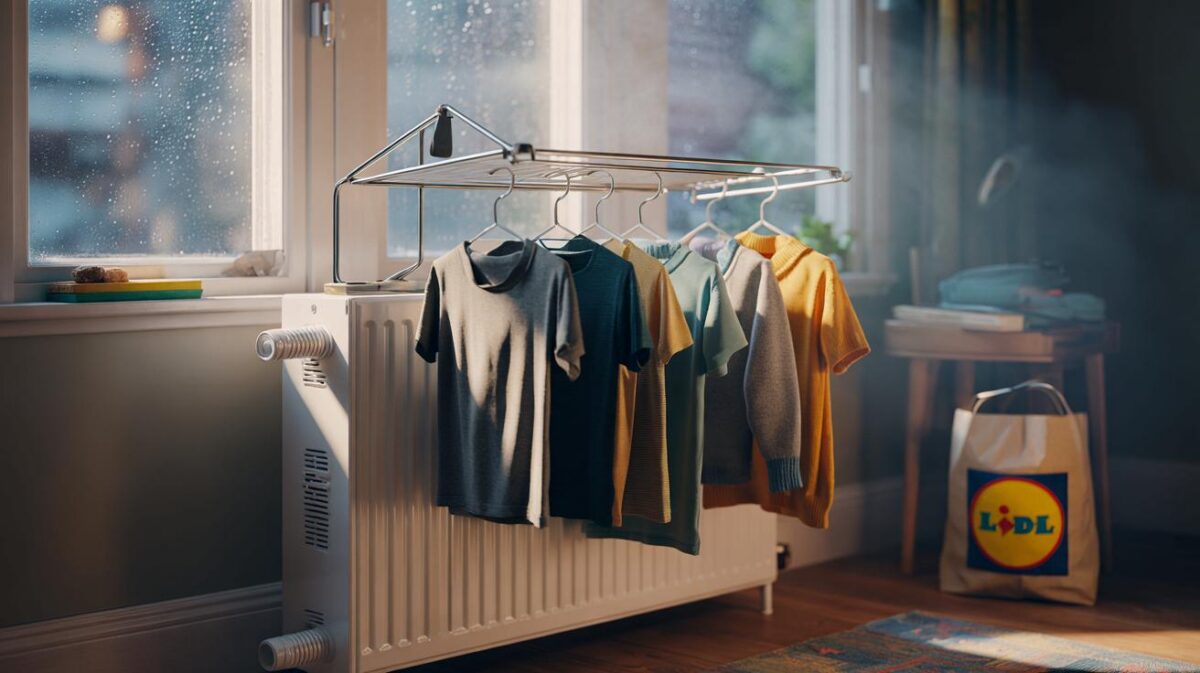
If you’ve got trickle vents, keep them open a sliver to balance moisture. Dry clothes in one room with the door shut and a window popped, or use a heated airer over the carpet. Tiny daily habits move the needle, and none cost more than a cuppa.
What about renters, safety, and spring removal?
Most film kits lift off cleanly in spring, especially from painted timber and uPVC. Go slowly, peel at a shallow angle, and any sticky residue wipes off with a dab of washing‑up liquid on a cloth. Landlords rarely object as it’s temporary and invisible from the street.
If you use gas appliances requiring permanent ventilation, don’t cover fixed vents or block intended air paths. Film the glass, not the vent. If a window is your only fire escape, either leave it unfilmed or apply film only to the panes that don’t need to open.
For listed buildings or conservation areas, film is a quiet ally because it doesn’t alter the exterior and leaves no mark. It’s also a tidy way to test whether pricier secondary glazing would pay back on the chilliest rooms next year.
The small fix that changes winter’s mood
There’s a reason this £5 roll is selling out in cold snaps. It brings control back to your side of the glass, turning shiny puddles and grey mornings into a calmer start. Your room stops yo‑yoing in temperature, the air feels less heavy, and you stop mopping sills like a night porter.
You’ll still need to ventilate and to keep steam in its lane, yet the film softens winter’s edge. A front room that used to hoover heat now holds onto it long enough for a second cup and the late‑night film. Share it with the neighbour who wipes with kitchen roll at 7am, because warm homes spread by word of mouth.
The biggest surprise is how something so thin changes how a space feels. Not flashy, not fussy, just a quiet layer between you and the frost. The kind of fix that makes you wonder what else a fiver can do.
| Point clé | Détail | Intérêt pour le lecteur |
|---|---|---|
| £5 insulation film | Creates a still air layer over glass to cut condensation and heat loss | Clearer windows and a warmer room without higher bills |
| Fast, renter‑friendly | Fits in 10 minutes, peels off cleanly in spring | No tools, no drilling, no landlord headaches |
| Pair with habits | Use extractors, vent briefly, dry clothes smartly | Better air quality and less mould risk all winter |
FAQ :
- What exactly is the £5 item?A simple window insulation film kit with double‑sided tape. It’s clear, lightweight, and designed to shrink tight with a hairdryer.
- Will it make my room too airtight?No. It covers the glass, not the frame gaps or vents. Keep trickle vents and extractors running so moisture can still escape.
- Does it work on double glazing?Yes. Double glazing can still feel cold during snaps. The film adds another still air layer and helps keep the inner surface warmer and clearer.
- Can I still open my windows?Film the fixed panes and leave opening sashes free, or remove and refit the film in spring. Many people choose to film bedrooms and living rooms only.
- How long does it last?One winter comfortably. If a corner lifts, re‑press or add a small patch. Replace the film when you take it down at the end of the season.






Isn’t this just plastic wrap with fancy tape? Any real data on heat-loss reduction (not just vibes), and does it meet fire safety regs?
Thanks for the clear steps — the hairdryer trick was the bit I was missing. Any recomendations for getting tape to bite on old, slightly dusty paint without wrecking the finish?